
Are 14 oz Boxing Gloves Right for Your Training?
Choose 14 oz boxing gloves by training use, fit and gym rules—not body weight alone. See where they work and when sparring may require 16 oz.
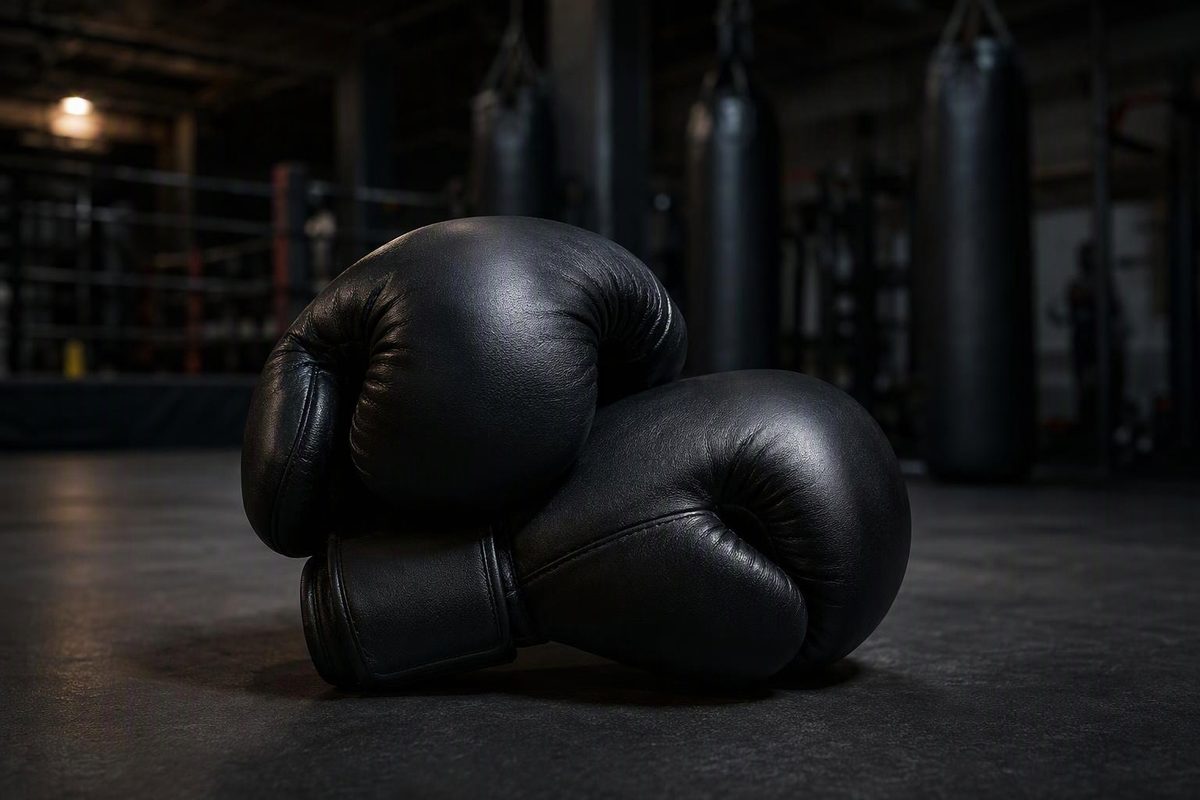
14 oz boxing gloves are a practical general-training option for bags, pads and drills. They are not automatically suitable for sparring. A gym may require 16 oz gloves or set different rules according to the athlete and glove model, so ask your coach before buying one pair for everything.
The “14 oz” label describes the glove’s total weight, not a universal hand size. It also does not tell you exactly how roomy the glove is or how its padding is distributed. Intended use, fit and construction still matter.
What are 14 oz gloves used for?
For many recreational trainees, 14 oz gloves fit into the general-training category:
- Heavy-bag and double-end-bag rounds
- Focus mitts and Thai pads
- Technical partner drills permitted by the coach
- Boxing, kickboxing and MMA striking classes
- Sparring only when the coach and gym rules allow it
Everlast classifies 12–14 oz gloves as suitable for general training, including bags, pads and drills, while calling 16 oz its standard sparring recommendation. Its chart also moves heavier athletes toward 16–18 oz for sparring. TITLE’s charts use separate ranges for bag gloves and training or sparring gloves, based on body weight and hand circumference.
Those are manufacturer guidelines, not universal gym rules. They show why “everyone should use 14 oz” is not a useful buying rule.
If your class mixes bags, pads and technical combinations, a 14 oz pair can be a workable compromise between lighter 10 or 12 oz gloves and bulkier 16 oz gloves. If you are still choosing a striking format, compare how training differs in boxing and kickboxing.
Are 14 oz gloves good for sparring?
Sometimes—but get a direct answer from the gym first.
A coach may consider your size, experience, control, partner and the specific glove model. Some gyms may permit a lighter trainee to spar in well-padded 14 oz gloves; others may require 16 oz for all adults. A generic online chart cannot settle that question.
Glove weight is also only one control. Recreational sparring requires sensible matching, restrained power and active supervision. Within its affiliated system, England Boxing’s 2025 rules define sparring as contact delivered with “significant but reduced force” and require supervision by an appropriately licensed Level 2 coach or referee. Your gym may operate under different rules, but the underlying checkpoint is useful: sparring is supervised contact, not an agreement to fight as hard as the gloves allow.
Do not treat heavier gloves as permission to hit harder. The Association of Ringside Physicians’ combat-sports concussion statement reports an association between greater sparring exposure and cognitive and balance dysfunction, while noting that combat-sports concussion research has important limitations. Glove weight does not replace control, coaching or appropriate medical attention after concerning head contact.
Practical rule: if sparring is on your schedule, ask, “What glove weight and type do you require for someone my size?” Buy from that answer.
14 oz vs 12 oz vs 16 oz
| Glove weight | Typical recreational use | Main trade-off |
|---|---|---|
| 12 oz | Pads, bags and faster technical work | Less commonly recommended for adult sparring |
| 14 oz | General classes, bags, pads and controlled drills | May not satisfy the gym’s sparring rule |
| 16 oz | Sparring or general training where the gym requires it | Bulkier during long pad or bag sessions |
These categories overlap. Glove construction varies, so check the manufacturer’s stated purpose rather than relying on ounces alone.
For a beginner buying one pair:
- No sparring planned: 14 oz is a sensible general-training choice if it fits.
- Sparring planned: follow the gym’s rule. A 16 oz training or sparring glove is more likely to satisfy a typical sparring requirement, but confirm before buying.
- Mostly pads or speed work: ask whether 12 oz would suit the class better.
- MMA class: ask which gloves are used for each part of training. Boxing gloves and open-finger MMA gloves serve different drills and are not interchangeable.
How 14 oz gloves should fit
Try gloves while wearing the same wraps you use in class. Everlast’s guide recommends fitting gloves with wraps on and considering both body weight and hand circumference.
Use this check:
- Seat your hand fully. Your fingers should reach the end without being painfully curled or crushed.
- Make a natural fist. You should not have to fight the glove to close your hand.
- Check the thumb. It should not feel pulled outward or jammed at the tip.
- Secure the wrist. The closure should be snug without sliding, numbness or tingling.
- Hold your guard. Look for pressure points or an unstable wrist rather than judging fit from a few seconds of wear.
A 14 oz label does not guarantee the same internal compartment across brands or models. TITLE’s chart, for example, lists hand circumference separately from glove weight. If your wrapped hand does not fit, choose another model rather than removing wraps just to create room.
Buying checklist
Before paying, confirm:
- The gym permits 14 oz gloves for your intended sessions
- The model is described for bags, training or sparring as needed
- Your wrapped hand fits without pinching, numbness or excessive empty space
- The wrist closure stays secure when you make a fist
- The thumb position feels natural
- The striking surface has no hard spots, splits or damaged padding
- The lining can be opened and dried after class
If a glove develops torn material, displaced padding or a hard striking surface, stop using it for partner contact and show it to your coach.
The useful answer is not that 14 oz gloves fit one particular body weight. They work well for general striking training when the model fits; sparring suitability depends on the glove’s intended use and your gym’s rules.